


Introduction
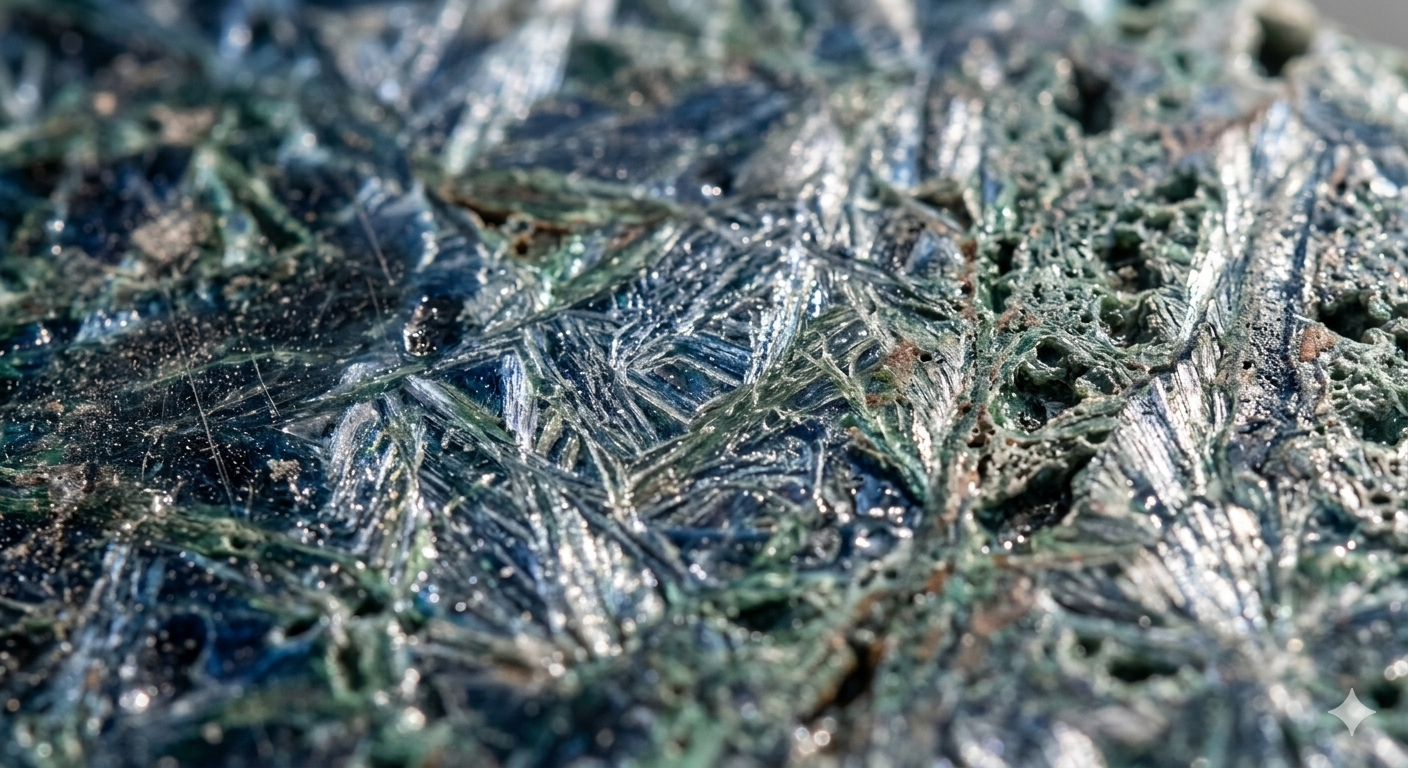
Flensutenol Texture isn’t something you stumble upon every day, and honestly, that’s what makes it so intriguing. At first glance, the term sounds like it belongs in a high-level physics lab or maybe even a futuristic design studio and in a way, it kind of does. It represents a conceptual blend of surface behaviour, visual layering, and structural response that designers and researchers often use when exploring advanced material interactions.
Now, here’s the interesting bit: Flensutenol Texture isn’t just about how something looks; it’s about how it behaves under pressure, light, and motion. Think of it as the “personality” of a surface. Whether it’s used in simulation, digital rendering, or experimental material science, it adds depth where flatness used to exist. And once you start noticing it, you can’t really unsee it!
Flensutenol Texture Material Comparison Overview
This section breaks down how Flensutenol Texture compares conceptually with other known surface and material models. While it may sound abstract, comparing helps us understand its structure better.
The idea here is not just visual differences but also behavioural patterns under different environmental conditions. It gives us a clearer sense of how Flensutenol Texture operates in theoretical frameworks.
| Material Type | Surface Behaviour | Flex Response | Visual Depth Impact | Stability Level |
|---|---|---|---|---|
| Flensutenol Texture | Adaptive and layered | Medium-high elasticity | High dimensional illusion | Semi-dynamic stable |
| Matte Composite Surface | Flat and non-reflective | Low flexibility | Minimal depth effect | Highly stable |
| Gloss Polymer Layer | Reflective and smooth | Medium flexibility | Medium visual depth | Moderately stable |
| Nano-Fiber Mesh | Structured and breathable | High flexibility | Complex micro-depth | Variable stability |
This comparison shows how Flensutenol Texture sits in a unique middle zone balanced between flexibility and structured behaviour.
Core Properties That Define Flensutenol Texture
Flensutenol Texture is often described through its behavioural traits rather than physical ones. It’s like trying to describe a mood instead of a material, and that’s where things get interesting.
Before diving into specifics, it’s important to understand that these properties shift depending on environmental input. Nothing here stays completely static.
- Adaptive surface layering under dynamic conditions
- Light diffusion that changes with angle shift
- Responsive micro-pattern formation during stress
- Semi-fluid structural memory retention
Everyday Applications Of Flensutenol Texture
Even though it sounds highly technical, Flensutenol Texture shows up in surprisingly relatable places. Designers often use it in simulations, gaming environments, and experimental architecture.
Before we list applications, it’s worth noting that most uses are conceptual rather than physically manufactured. Still, the impact is very real in digital industries.
- Advanced 3D rendering and animation design
- Architectural surface simulation models
- Virtual reality environment development
- High-detail game texture creation
Scientific Breakdown Of Flensutenol Texture Behavior
Micro-Structural Adaptation Patterns
Flensutenol Texture responds to external forces by subtly shifting its internal pattern alignment, almost like it is thinking under stress.
Light Interaction Modulation
Instead of reflecting light in a fixed way, it bends and diffuses illumination depending on angle and intensity.
Stress Response Mapping
When pressure is applied, the texture redistributes its surface energy instead of breaking or deforming sharply.
Digital Simulation Replication
In computer models, Flensutenol Texture is used to mimic highly realistic material behavior in virtual environments.
Evolution Of Flensutenol Texture Design
The concept of Flensutenol Texture didn’t appear overnight. It evolved through layers of experimentation in both physical and digital design fields.
At its early stage, it was just a theoretical model used to test how surfaces could behave under unpredictable conditions. Over time, designers began integrating it into simulations to achieve more realistic outputs.
What makes it fascinating is how it bridges imagination and technical precision. It doesn’t fully belong to either world, yet somehow works in both. That’s where its charm lies.
Flensutenol Texture In Digital Environments
Digital artists often rely on Flensutenol Texture to create immersive worlds that feel alive. It helps break the flatness that sometimes comes with basic rendering techniques.
In gaming, for example, it adds depth to environments without overwhelming system performance. That balance is what makes it so valuable. And let’s be honest, players might not know the term, but they definitely feel its effect when environments look more real than ever.
Flensutenol Texture In Modern Architecture
Architecture has also started borrowing ideas inspired by Flensutenol Texture. Facades, interiors, and structural skins now explore adaptive surface behaviour more than ever. Buildings influenced by this concept often appear to shift visually depending on lighting and perspective. It is not magic, it is design intelligence at work. This approach allows architects to experiment with spaces that feel less static and more responsive to human presence.
Material Behaviour Under Environmental Stress
Flensutenol Texture behaves differently under changing environmental conditions, which makes it an interesting subject in theoretical material studies. Before listing examples, it is important to understand that these reactions are mostly simulated or model-based.
- Expands subtly under heat exposure
- Contracts into tighter patterns under pressure
- Adjusts reflectivity based on humidity levels
- Maintains structural coherence under motion stress
These behaviours make it a flexible concept for future material innovation studies.
Flensutenol Texture In Virtual Simulations
In virtual environments, Flensutenol Texture is often used to enhance realism. It helps simulate how surfaces should react instead of just how they look.
This makes digital scenes feel more grounded and believable, especially in high-end simulations.
Game developers and visual artists appreciate it because it reduces the gap between imagination and realism without sacrificing performance.
Future Possibilities Of Flensutenol Texture
The future of Flensutenol Texture looks surprisingly open-ended. As technology improves, its applications could move from simulation into real-world material engineering.
Researchers are already exploring ways to translate its adaptive properties into smart surfaces. Imagine walls that adjust texture based on temperature or devices that change grip depending on usage.
It might sound a bit sci-fi, but so did touchscreens once upon a time. And look where we are now.
Conclusion
Flensutenol Texture represents a fascinating blend of imagination and structured design thinking that continues to influence digital and theoretical material science. It adds depth, adaptability, and realism to environments that would otherwise feel flat or static. As technology evolves, its role is likely to expand even further into both virtual and physical applications. While still largely conceptual, its impact is already visible in modern design and simulation fields. In short, Flensutenol Texture is less about what you can touch and more about how you can feel structure through design.
