


Introduction
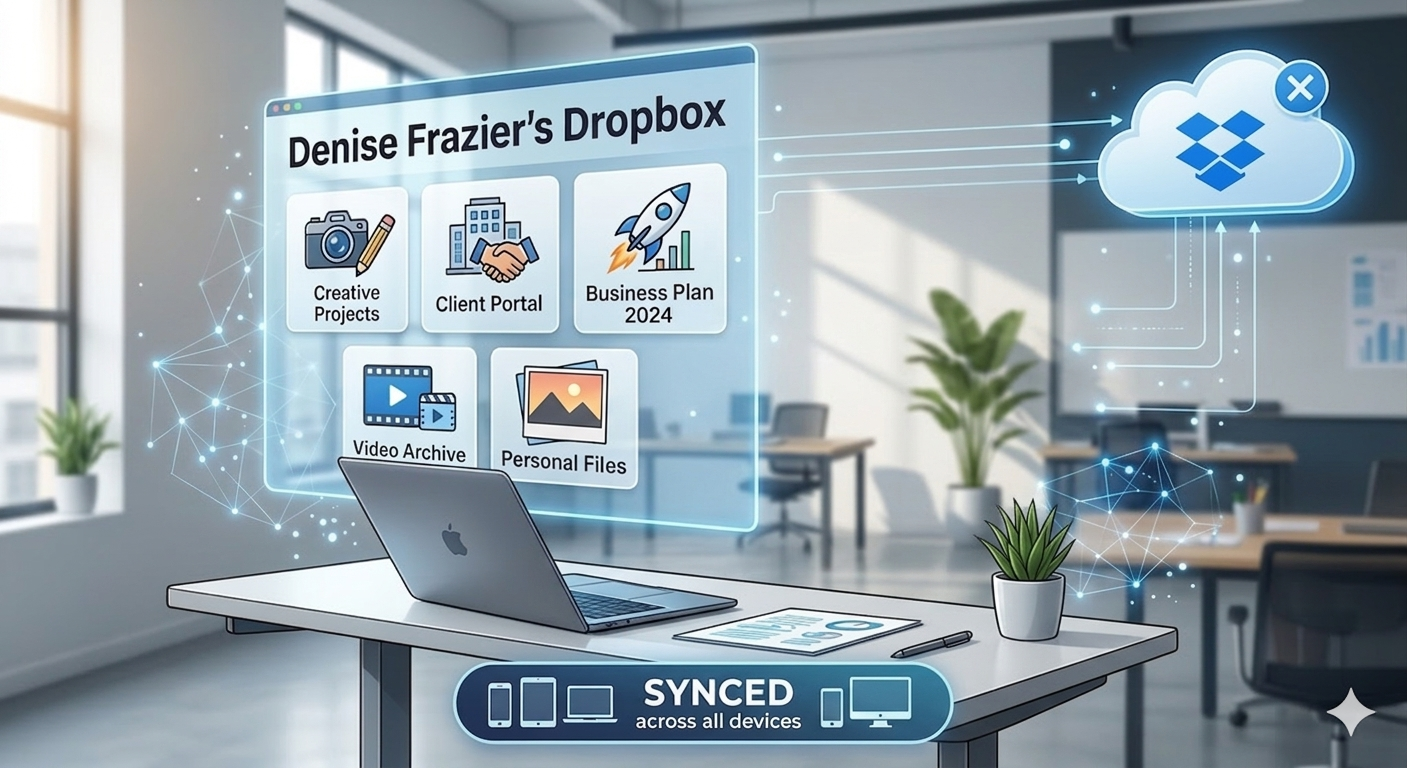
The idea of Denise Frazier Dropbox might sound like a simple combination of a name and a digital platform. Still, in reality, it represents a much broader conversation about how modern work, creativity, and information management come together in the cloud era.
In today’s fast-paced digital world, people aren’t just storing files anymore, they’re building entire ecosystems where collaboration, structure, and accessibility matter just as much as content itself. This concept blends identity, workflow, and technology into one interconnected experience that reflects how individuals and teams operate in modern environments.
This article takes a deep, imaginative yet structured look at the world behind Denise Frazier Dropbox, exploring its workflow logic, usability, benefits, challenges, and evolving role in digital productivity.
Snapshot Overview of Denise Frazier Dropbox Ecosystem
| Element | Description |
|---|---|
| Core Idea | Digital organisation and cloud-based collaboration framework |
| Function | File storage, sharing, and workflow coordination |
| User Focus | Professionals, teams, and creative collaborators |
| Structure | Cloud-driven, accessible across devices |
| Value | Efficiency, accessibility, and organised data flow |
This snapshot helps frame the concept as more than just storage. It reflects a structured digital environment where information flows smoothly across users, devices, and tasks.
Key Benefits Users Notice in Denise Frazier Dropbox Setup
Before listing the points, let’s set the scene. Most users today juggle multiple tools, apps, and storage platforms. That’s where a unified system starts to feel like a lifesaver. The Denise Frazier Dropbox setup brings clarity into otherwise chaotic workflows, and users often notice the difference quickly.
- Faster access to important files and documents
- Improved coordination between teams or individuals
- Reduced risk of misplaced or duplicated content
- Smoother transition between devices and platforms
It’s not just about convenience, it’s about creating a sense of order in a world that rarely slows down.
Origins and Conceptual Background of the Platform
The conceptual roots of Denise Frazier Dropbox can be understood through the evolution of cloud computing and digital collaboration tools. As people began shifting from physical storage to digital ecosystems, the need for structured, accessible platforms became unavoidable. This concept reflects that transition, where information is no longer tied to one location or device. Instead, it flows freely within a connected environment.
How Collaboration Flows in Modern Digital Workspaces
Core Collaboration Dynamics
Collaboration today isn’t limited to physical meetings or email chains. It’s dynamic, real-time, and often invisible.
Version Control and Tracking
Changes are monitored, ensuring nothing gets lost in the process.
Key Collaboration Features
- Instant file sharing across users
- Multi-device accessibility
- Change history tracking
- Centralised workspace organisation
It’s the kind of system where teamwork feels less like coordination and more like natural flow.
Security and Trust Factors in Cloud-Based Storage
Security is one of those topics people don’t think about until something goes wrong. But in systems like Denise Frazier Dropbox, it sits at the core of everything. Cloud-based environments rely on layered security mechanisms to ensure data integrity and privacy.
- Encryption protects sensitive information
- Access controls limit unauthorised entry
- Backup systems prevent data loss
- Monitoring tools detect suspicious activity
Trust is built through consistency, not promises, secure systems aim to deliver.
User Experience and Interface Design Philosophy
The design philosophy behind systems like Denise Frazier Dropbox focuses heavily on simplicity without sacrificing functionality.
Clean Navigation Structure
Users can move through files and folders without unnecessary complexity.
Minimal Learning Curve
Even new users can adapt quickly without extensive training.
Responsive Design Approach
The system adapts smoothly across mobile, tablet, and desktop devices.
Key UX Principles
- Simplicity over clutter
- Accessibility across devices
- Intuitive navigation flow
- Visual clarity and organisation
Good design doesn’t scream for attention, it quietly makes everything easier.
Inside the Functional Layers of Denise Frazier Dropbox System
Data Organisation Layer
This layer ensures that files are stored in a structured and logical manner.
Access Control Layer
It defines who can view, edit, or share specific content.
Synchronization Layer
Keeps data consistent across all connected devices.
Real-World Use Cases Across Professional Fields
Before exploring the examples, it’s important to understand that systems like Denise Frazier Dropbox are not limited to one industry. They’re widely adaptable. In business environments, they support document management and collaboration. The versatility is what makes them so valuable. In practice, they are used for:
- Corporate document management
- Creative project collaboration
Future Developments and Evolving Digital Trends
The future of systems like Denise Frazier Dropbox is closely tied to technological evolution. Artificial intelligence is expected to play a major role in organising files, predicting user behaviour, and automating workflows. We are also likely to see:
- Smarter file categorisation systems
- Predictive workflow automation
- Enhanced real-time collaboration tools
- Deeper integration with AI-driven assistants
FAQs
What is Denise Frazier Dropbox?
It represents a conceptual digital workspace focused on organisation, collaboration, and cloud-based file management.
Is it a real software platform?
It is better understood as a conceptual or descriptive framework rather than a standalone product.
Why is it relevant today?
Because modern work relies heavily on cloud systems, collaboration tools, and structured digital environments.
What makes it useful for teams?
Its ability to centralise files, improve access, and support real-time collaboration.
Does it involve cloud technology?
Yes, it is closely associated with cloud-based storage and workflow systems.
Conclusion
Denise Frazier Dropbox reflects a modern approach to digital organisation where structure, accessibility, and collaboration come together in one seamless environment. It highlights how cloud-based systems are reshaping the way people work, share, and manage information. As digital demands continue to grow, such frameworks will only become more essential in maintaining clarity and efficiency. Ultimately, it stands as a reminder that good systems don’t just store data, they make life and work noticeably smoother.
