


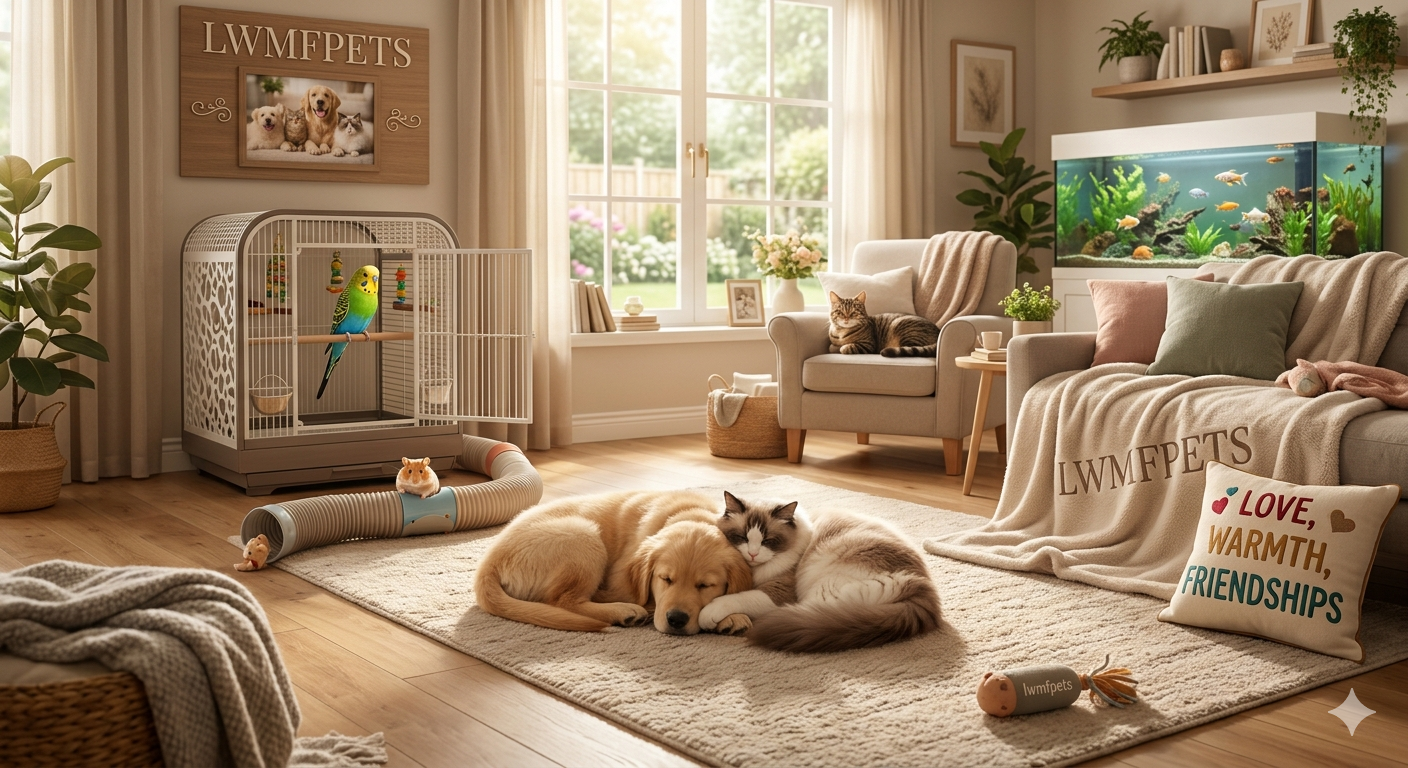
Keeping pets indoors has become a preferred choice for many households, especially in urban environments. Indoor Pets Lwmfpets reflects this growing trend, focusing on comfort, safety, and balanced care for animals living inside the home.
With the right approach, indoor pets can thrive just as well as outdoor ones. From maintaining hygiene to ensuring mental stimulation, every detail matters for long-term wellbeing.
Indoor Pets Lifestyle Basics
Indoor pets depend fully on their owners for structure and routine, which makes consistency essential for their wellbeing. A predictable schedule helps reduce stress and allows pets to feel safe within their environment.
Daily routines should include feeding, playtime, and rest periods. When pets know what to expect, they develop better behaviour and adjust more comfortably to indoor living conditions.
Choosing Suitable Indoor Pets
Not every animal is ideal for indoor life, so choosing wisely is important for long-term success. Pets that adapt easily to smaller spaces tend to be calmer and easier to manage indoors.
Cats, small dog breeds, and rabbits are popular choices due to their adaptable nature. Before deciding, consider your lifestyle, available space, and the level of care each pet requires.
Creating Comfortable Living Spaces
A comfortable indoor setup plays a key role in keeping pets relaxed and content. Providing a quiet and cosy area allows pets to rest without constant disturbance.
Proper ventilation and natural light also improve the living environment. Small changes like soft bedding and a dedicated resting corner can significantly enhance comfort levels.
Daily Feeding And Nutrition
Indoor pets need balanced nutrition because they usually have lower activity levels compared to outdoor animals. Overfeeding can quickly lead to weight issues and health concerns.
Choosing high-quality food and maintaining consistent feeding times supports digestion and energy levels. Fresh water should always be available to keep pets properly hydrated.
Maintaining Indoor Pet Hygiene
Hygiene is crucial when pets live inside the home, as it affects both the animal and the household environment. Regular grooming helps control shedding and keeps pets clean and comfortable.
Cleaning litter boxes, training pads, or designated areas is equally important. A clean space prevents odours and reduces the risk of infections, ensuring a healthier home.
Mental Stimulation And Activity
Indoor pets can easily become bored if they lack stimulation, which often leads to unwanted behaviour. Keeping them mentally engaged is essential for their emotional health.
Interactive toys, short play sessions, and regular interaction with owners help maintain activity levels. Even simple engagement can keep pets happy and prevent restlessness.
Managing Pet Behaviour Issues
Behavioural issues are common in indoor pets but can be managed with patience and proper training. Problems like scratching or excessive noise often come from boredom or stress.
Using positive reinforcement helps pets learn acceptable behaviour over time. Consistency in training builds trust and creates a more peaceful home environment.
Health Monitoring And Vet Care
Regular health monitoring ensures indoor pets stay in good condition despite limited outdoor exposure. Routine vet visits help detect issues early before they become serious.
Vaccinations, dental care, and parasite prevention remain important even for indoor animals. Observing changes in behaviour or appetite can also help identify health concerns quickly.
Safe Home Environment Setup
Indoor environments must be carefully managed to avoid hidden dangers for pets. Household items like wires, chemicals, and small objects can pose serious risks.
Securing windows, removing toxic plants, and organising spaces properly creates a safer home. A protected environment allows pets to move freely without unnecessary danger.
Balancing Freedom And Control
Indoor pets need a balance between freedom and boundaries to feel secure without becoming destructive. Too many restrictions can cause frustration, while too much freedom can lead to chaos.
Setting clear limits and gradually introducing new areas helps pets adapt smoothly. A balanced approach supports both discipline and comfort within the home.
Conclusion: A Happier Indoor Pet Life
Indoor Pets Lwmfpets is about more than simply keeping animals inside. It focuses on building a structured, safe, and comfortable lifestyle that supports both physical and emotional needs. When owners stay consistent with care, pets respond positively with calm behaviour and strong bonding. A well-managed indoor environment creates a happier life for both pets and their owners.
FAQs About Indoor Pets
What are the best indoor pets for small homes?
Cats, small dog breeds, and rabbits are ideal due to their adaptability.
How often should indoor pets be groomed?
Basic grooming should be done weekly depending on the pet type.
Can indoor pets stay healthy without outdoor access?
Yes, with proper diet, stimulation, and regular vet care.
How do I keep indoor pets active?
Use toys, interaction, and daily play sessions to maintain activity.
Is Indoor Pets Lwmfpets suitable for beginners?
Yes, it focuses on simple and practical care for all pet owners.
