


Introduction
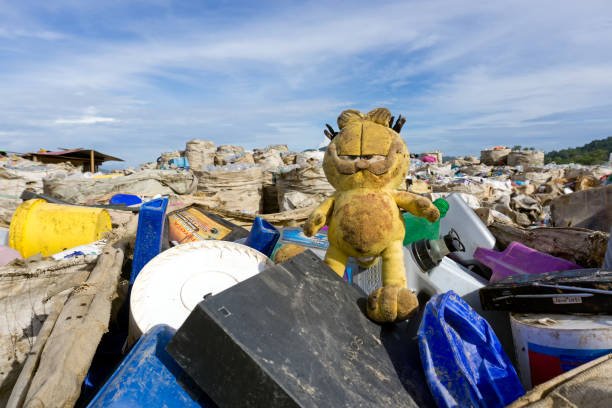
When you think of Funko Pops, the first image that comes to mind is probably a colorful shelf filled with tiny vinyl figures—superheroes, cartoon characters, movie icons, and more. They’re collectible, adorable, and sometimes shockingly valuable. But did you know there’s a darker side to this pop culture phenomenon? Enter the concept of the Funko Pop landfill.
This term refers to the massive amounts of unsold, damaged, or discarded Funko Pop figures that end up in landfills every year. It’s a story about mass production, consumer demand, and the environmental consequences of our obsession with collectibles. If you’ve ever wondered what happens when your local store can’t sell every Funko Pop on time, or why some rare figures are so hard to find, the Funko Pop landfill narrative might surprise you.
What Is the Funko Pop Landfill?
At its core, the Funko Pop landfill isn’t a single location—it’s more of an industry-wide phenomenon. Every year, countless figures that don’t sell, are returned, or are slightly damaged are sent to waste facilities. Many of these end up buried in landfills, never to be seen again.
Collectors and industry insiders often use the term “Funko Pop landfill” to describe this hidden reality, highlighting both the scale of unsold merchandise and the environmental impact of mass-produced vinyl toys.
Why Are So Many Funko Pops Discarded?
You might ask, “How can such beloved figures end up in landfills?” There are several reasons:
- Overproduction: Funko tends to produce massive quantities anticipating demand that may not materialize.
- Retail Returns: Unsold items often get returned to distributors, but many retailers don’t resell them.
- Damaged or Defective Products: Even minor imperfections can make a Pop figure unsellable.
- Limited Shelf Space: Physical stores only have so much room for inventory, and older or slower-selling figures get pushed aside.
These factors combine to create a surprisingly large amount of vinyl waste—hence, the infamous Funko Pop landfill.
Environmental Impact of Funko Pop Landfills
While Funko Pops are small, their environmental footprint is anything but. Most figures are made of PVC, a type of plastic that doesn’t biodegrade easily. When sent to landfills, these toys can persist for decades.
Additionally, the packaging itself boxes, plastic windows, and inserts—adds another layer of waste. Over time, these materials can leach chemicals into the soil and water, contributing to pollution. Some environmental activists argue that collectible trends like Funko Pops inadvertently fuel unsustainable consumer habits.
Collector Perspectives on the Funko Pop Landfill
Interestingly, the Funko Pop landfill phenomenon has sparked debate among collectors. On one hand, scarcity drives the collector market. Figures that survive the production cycle and aren’t discarded often increase in value over time.
On the other hand, some collectors are concerned about the ethical implications. Hoarding and reselling rare Pops may contribute to overproduction, which indirectly leads to more landfill waste. It’s a tricky balance between enjoying a hobby and acknowledging its environmental consequences.
Funko Pop Landfill: Stories of Rare Finds
Ironically, some of the most coveted Funko Pops began as landfill casualties. There have been reports of collectors stumbling upon unsold or forgotten figures in warehouse cleanouts, discount bins, or even actual landfill sites (though digging through a landfill isn’t recommended!).
These discoveries highlight the unpredictable nature of the collectibles market. A figure deemed worthless today could be a treasure tomorrow, especially when it’s no longer in production.
How Funko Is Responding to Waste Concerns
Funko has acknowledged the environmental concerns surrounding its products. While there’s no public “landfill cleanup program,” the company has taken steps toward more sustainable packaging and limited runs of certain figures to reduce overproduction. Some initiatives include:
-
Recyclable packaging for select lines
- Partnerships with charities to repurpose unsold stock
- Focus on digital marketing to predict demand more accurately
These efforts show that even collectible industries are beginning to grapple with environmental responsibility.
Tips for Collectors to Avoid Contributing to Landfills
As a collector, there are ways to enjoy Funko Pops while minimizing waste:
- Buy only what you truly want or will display
- Consider trading or selling instead of discarding unwanted figures
- Support sustainable or eco-friendly collectors’ initiatives
- Donate excess stock to schools or charities that accept toys
Small actions like these can help reduce the number of Funko Pops ending up in landfills while still maintaining the fun of collecting.
Funko Pop Landfill: Myths and Misconceptions
There are plenty of myths surrounding the Funko Pop landfill. Let’s clear a few up:
- Myth: All unsold Funko Pops go directly to landfills.
Truth: Many are returned to distributors, liquidated, or repurposed. - Myth: Collecting causes environmental damage.
Truth: Responsible collecting, trading, and reselling can actually help reduce waste.
Understanding the nuances helps collectors make informed choices without unnecessary guilt.
Frequently Asked Questions
What exactly is the Funko Pop landfill?
It refers to the industry-wide practice of discarding unsold or damaged Funko Pop figures, many of which end up in landfills.
Are rare Funko Pops ever found in landfills?
While uncommon, there have been stories of collectors discovering valuable figures during warehouse cleanouts or discount sales.
Can I recycle Funko Pops?
Parts of the packaging may be recyclable, but the PVC vinyl figures are generally not accepted in standard recycling programs.
How does Funko address environmental concerns?
Funko is exploring sustainable packaging, limiting production runs, and partnering with charities to reduce waste.
Does collecting Funko Pops contribute to the landfill problem?
It can, indirectly, if overproduction is fueled by speculative buying. Responsible trading and reselling help mitigate this impact.
Conclusion
The Funko Pop landfill might sound like a collector’s worst nightmare, but it’s also a window into the complex world of mass production, consumer demand, and environmental impact. While the phenomenon highlights the downsides of overproduction, it also offers insights for collectors and the company itself.
By understanding the issue and taking responsible actions—like trading, donating, or buying mindfully collectors can continue enjoying their hobby without unnecessarily contributing to waste. After all, the thrill of Funko Pops isn’t just about the figures themselves—it’s about being part of a vibrant, passionate community that can also make thoughtful choices for the planet.
